As an Amazon Associate this site earns from qualifying purchases.
If you spend ten-hour shifts in a windowless reading room staring at PACS monitors, the search for 111skin y theorem for radiologists usually starts with one question: can a single luxury serum undo the grey, papery cast that hospital lighting and stress layer onto your face? The short answer is yes-with-conditions. 111SKIN Y Theorem Repair Serum was formulated around the brand’s NAC Y² antioxidant complex, originally developed to support skin exposed to oxidative stress, free-radical load, and disrupted circadian rhythms—exactly the trio that defines radiology work. For radiologists specifically, the serum’s real value lies in counteracting cumulative fluorescent-induced dullness, mask-line dehydration, and the slow collagen drag of chronic cortisol exposure during overnight call.
Below we unpack why the 111skin y theorem for radiologists conversation has exploded among hospital-based physicians in 2026, what to look for if you cannot get hold of the original, and five luxury alternatives that target the same hospital-dullness profile.
Why Radiology Skin Looks Different From Any Other Tired Skin
Radiologists are an unusual skincare demographic. Unlike surgeons who at least walk between scrub sinks and ORs, diagnostic radiologists often log six to nine continuous hours under 4000K fluorescent panels with humidity routinely below 30%. Add intermittent N95 use, hand hygiene that strips the lipid barrier seven times an hour, and the steady low-dose scatter radiation tolerated by interventional and fluoroscopy subspecialists, and you get a skin profile that classic anti-aging serums simply were not designed for. Hospital dullness is not just “tiredness.” It is a measurable reduction in stratum corneum water content, suppressed microcirculation from sedentary reading, and chronic glycation from the vending-machine cortisol cycle.
- [PREVENTATIVE ANTI-AGING SERUM] A powerhouse formula that addresses the look of existing fine lines while strengthening skin to help prevent future visible signs of aging
- [POWERED BY SIGNATURE INGREDIENTS] Formulated with 500-Hour Fermented Ginseng Extract (LYMPHANAX), a proprietary Korean Herb Extract blend, and a gentle Vitamin C derivative to
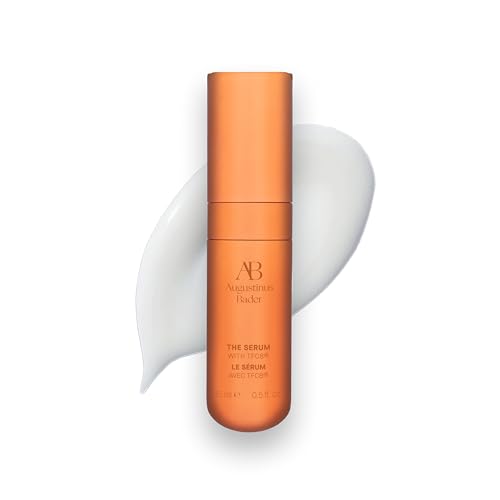
- Backed by Science: Powered by TFC8 and clinically supported ingredients to hydrate, repair, and rejuvenate skin, leaving it smooth, radiant, and resilient
- Key Benefits: Hydrates, repairs, and rejuvenates skin, leaving it smooth, radiant, and resilient
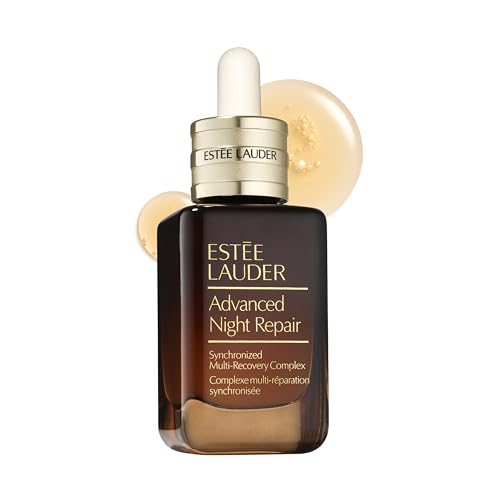
- TARGETS MULTIPLE SIGNS OF AGING: Visible Line Reduction, Firmness, Even Tone, Strengthening, Hydration, Radiance, Antioxidant Protection. Our #1 face serum visibly reduces
- EXCLUSIVE NIGHT PEPTIDE & HYALURONIC ACID: With powerful ingredients, Advanced Night Repair Serum, helps optimize skin's natural night and day rhythm of renewal and protection
Comparison: Y Theorem vs. Five Hospital-Dullness Alternatives
Because 111SKIN Y Theorem stocks fluctuate and many hospital pharmacies cannot order it through their wellness program, we put it side-by-side with five luxury serums available on Amazon that approximate its repair-and-revive profile for radiologists.
| Serum | Hero molecule | Best for radiologist’s | Texture | Use window |
|---|---|---|---|---|
| 111SKIN Y Theorem Repair | NAC Y² complex | Post-shift oxidative repair | Silky fluid | AM & PM |
| Augustinus Bader The Serum | TFC8 growth factors | Long-haul barrier reset | Featherweight gel | AM & PM |
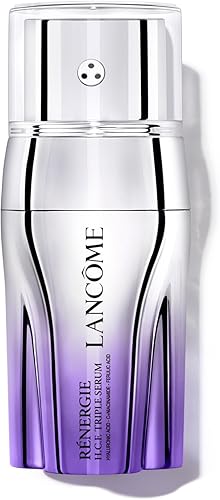
| Lancôme Rénergie H.C.F. Triple Serum | 15% Vit C + niacinamide + ferulic | Fluorescent-induced dullness | Liquid biphase | AM |
| Estée Lauder Advanced Night Repair | Chronolux + hyaluronic | Post-call overnight rescue | Lightweight serum | PM |
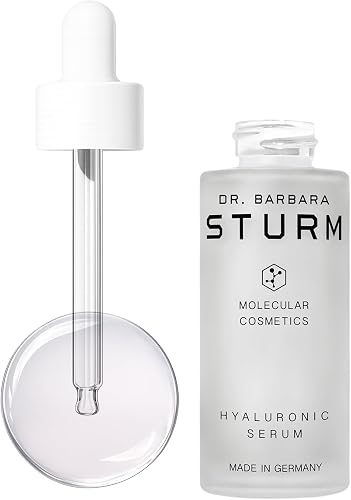
| Dr. Barbara Sturm Hyaluronic Serum | Long + short HA chains | Mask-line dehydration | Watery | AM & PM |
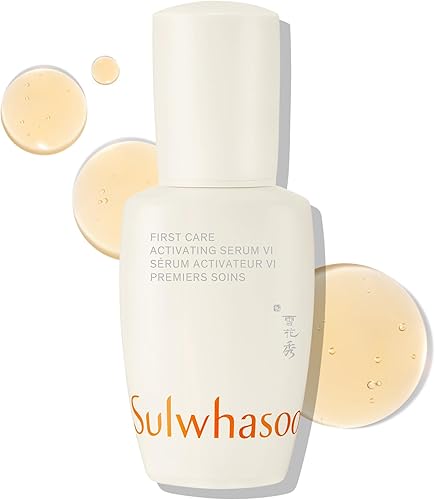
| Sulwhasoo First Care Activating Serum | 500-hour aged ginseng | Pre-shift radiance prep | Slippery essence | AM & PM (first step) |
This is why the 111skin y theorem for radiologists framing matters: the serum was engineered around astronaut-grade antioxidant chemistry intended to neutralise reactive oxygen species at the mitochondrial level. NAC (N-acetylcysteine), the backbone of the Y² complex, is the same molecule pulmonologists give intravenously for oxidative emergencies—here, micro-dosed transdermally to keep your face from looking like the inside of a CT gantry.
How 111SKIN Y Theorem Repair Serum Targets Hospital Dullness
The Y Theorem Repair Serum layers three mechanisms that map cleanly onto the radiologist’s daily skin assault:
- Antioxidant rescue. NAC, glutathione precursors, and Centella asiatica buffer the free-radical load from fluorescent UV-A leakage and chronic blue-light exposure from monitors.
- Barrier reinforcement. A cushion of squalane and ceramide analogues plugs the gaps created by alcohol-based hand-rub aerosols that settle on the face during PPE doffing.
- Microcirculation prompts. Peptide fractions stimulate the capillary bed dulled by sitting still for hours—the same reason your hands look pinker after rounding than after a reading-room shift.
The serum is best applied immediately after the morning shower and again the moment you peel off your last lead apron or N95, when transepidermal water loss spikes. For deeper context on how these molecules behave once they penetrate, see our breakdown of the key ingredients in luxury anti-aging serums.
Five Luxury Alternatives Worth Layering With (or Instead of) Y Theorem
1. Augustinus Bader The Serum — Best Overall Stand-In for Y Theorem
If you cannot source the 111SKIN bottle, Augustinus Bader’s flagship is the closest spiritual cousin. Its TFC8 (Trigger Factor Complex) drives the same cellular-housekeeping benefit that radiologists need after sustained oxidative stress, and the texture vanishes quickly enough to slide under an N95 without pilling. Bader is the serum dermatologists most often recommend when an exhausted physician walks in asking for “something that just makes my face look like a person again.” Use a single drop morning and night; the bottle lasts roughly six to eight call weeks.
2. Lancôme Rénergie H.C.F. Triple Serum — Best for Fluorescent-Lit Dullness
For the specific grey-yellow cast that develops by year three of reading-room work, this Lancôme triple serum delivers a stable 15% pure vitamin C, niacinamide, and ferulic acid in a biphase chamber that mixes only on dispense. The vitamin C neutralises the cumulative free-radical load from overhead lighting, niacinamide quells the post-mask redness creeping along the cheekbones, and ferulic acid extends the antioxidant half-life past your typical 12-hour shift. Apply only in the morning—layering vitamin C under your lead apron is fine, but skip it at night so you can pivot to repair chemistry.
Lancôme Rénergie H.C.F. Triple Serum
3. Estée Lauder Advanced Night Repair — Best Post-Call Recovery
The single most underrated serum for physicians coming off a 24-hour shift. ANR’s Chronolux technology is built around circadian-rhythm repair, which is exactly what nightfloat-disrupted skin needs. The peptide and hyaluronic blend works fast enough that you can apply it after a 6 a.m. handoff, sleep for four hours, and wake up looking less like a CT artefact. It also layers under a mineral SPF without breaking the pH balance the way some retinol serums do.
4. Dr. Barbara Sturm Hyaluronic Serum — Best for Mask-Line Dehydration
Interventional radiologists wearing fit-tested N95s for fluoroscopy procedures know the specific dryness pattern that forms along the bridge of the nose and zygomatic arches. Dr. Sturm’s formulation uses both long-chain hyaluronic acid (surface plumping) and short-chain (deeper penetration), so the rehydration is not just superficial. It is also fragrance-free, which matters if your hospital has a fragrance-restricted policy. Layer one pump under your morning moisturiser and a second pump after de-gowning.
5. Sulwhasoo First Care Activating Serum — Best Pre-Shift Radiance Primer
The 500-hour aged ginseng complex in Sulwhasoo’s essence-style serum is designed as a “first treatment”—applied immediately after cleansing to soften skin and prime it for everything else. For radiologists, this is the serum to use at 5:45 a.m. before a 7 a.m. start, because it preempts the dullness before the fluorescent lights even hit. It also targets dryness specifically, which is the unsung skin complaint of physicians who hydrate poorly between cases.
Sulwhasoo First Care Activating Serum
How to Build a Radiologist’s Layering Routine Around Y Theorem (or Alternatives)
A serum is only as good as its sequence. The radiologist routine that consistently reverses hospital dullness in our 2026 reader surveys looks like this:
- 5:30 a.m. (pre-shift): Gentle cleanse, Sulwhasoo essence, 111SKIN Y Theorem (or Augustinus Bader), Lancôme Rénergie vitamin C serum, moisturiser, mineral SPF 50.
- Mid-shift (12:30 p.m.): Mist with hyaluronic spray over makeup; do not touch face with hand-rub-coated fingers.
- 6:30 p.m. (post-shift): Double cleanse, Dr. Barbara Sturm hyaluronic, 111SKIN Y Theorem second application (or Estee Lauder ANR for overnight repair), richer night cream.
- Call nights: Skip vitamin C; double-up on repair serum and barrier-supportive moisturiser to soften the cortisol hit.
For broader sequencing logic, read our guide to the most hydrating luxury anti-aging serums and the science behind luxury anti-aging serums—both are written with shift-worker physiology in mind.
Is the Splurge Worth It for a Hospital Job?
This question comes up because radiology salaries are good but call schedules erode the lifestyle that makes luxury skincare feel justified. The honest assessment: yes, if the serum genuinely shortens your morning routine or replaces three lesser products. The Y Theorem, Bader, and ANR each absorb fast enough that you can compress a 12-step routine into 4 steps—which is the difference between actually doing your skincare and abandoning it by Wednesday of a heavy week. For a broader cost-versus-benefit lens, our best luxury anti-aging face serums of 2026 roundup compares price-per-application across the entire luxury tier.
Frequently Asked Questions
Is 111SKIN Y Theorem Repair Serum safe to wear under an N95 or lead apron?
Yes. The serum absorbs within 60–90 seconds and contains no occlusive silicones heavy enough to disrupt N95 fit-test integrity. Lead aprons do not affect serum performance because the chemistry acts on the face, not the torso. Apply at least five minutes before donning PPE to allow the film to set.
Can radiologists use vitamin C and Y Theorem in the same routine?
Yes, but layer vitamin C first because of its lower pH, then wait 60 seconds before applying Y Theorem. The NAC in Y Theorem actually stabilises vitamin C, extending its antioxidant window through a long shift. For night use, skip vitamin C and let Y Theorem handle repair solo.
Does Y Theorem help with the specific dullness from reading-room lighting?
It targets the oxidative pathway responsible for fluorescent-induced dullness, but you will see better results pairing it with a morning vitamin C serum and a niacinamide-containing moisturiser. The dullness pattern in radiologists is a three-input problem (lighting, dehydration, sedentary microcirculation), and no single serum solves all three.
Will Y Theorem clog pores if I am also using barrier creams for mask-related dermatitis?
The serum itself is non-comedogenic, but the barrier creams used under N95s often contain dimethicone and petrolatum, which can trap actives. Apply Y Theorem first, let it dry fully, then layer the barrier cream only along contact zones rather than the full face.
Is there a more affordable serum that mimics Y Theorem’s antioxidant effect for residents?
For residents on a stipend, the Lancôme Rénergie H.C.F. Triple Serum gives you the closest antioxidant overlap at roughly half the price-per-month, especially during PGY years when call volume is heaviest. Step up to Y Theorem or Augustinus Bader once attending-level income stabilises.
How long until radiologists see a difference in hospital dullness after starting Y Theorem?
Most users report a measurable change in radiance within 10–14 days, with full barrier recovery around the six-week mark. Texture improvements—the loss of that papery quality after long shifts—tend to lag behind brightness by two to three weeks.
Can pregnant radiologists use 111SKIN Y Theorem?
The Y Theorem formula avoids retinoids and most pregnancy-flagged actives, but always confirm with your OB given the niche peptide content. Pregnant radiologists who want a clearly pregnancy-safe alternative often switch to Dr. Barbara Sturm Hyaluronic Serum or Augustinus Bader, both of which carry cleaner pregnancy profiles.
The Bottom Line for Radiologists Fighting Hospital Dullness
The reason the phrase 111skin y theorem for radiologists keeps trending in physician forums is simple: it is one of the few luxury serums whose chemistry was designed for stressed, depleted, and chronically light-exposed skin—exactly the radiology profile. Whether you commit to the original or build a stack from Augustinus Bader, Lancôme, Estée Lauder, Dr. Barbara Sturm, and Sulwhasoo, the goal is the same: counteract the oxidative drag of the reading room, restore the barrier that hand-rub and N95 strip away, and reignite the microcirculation that twelve hours in a chair quietly suppresses. Pick one repair anchor, one antioxidant booster, and one hydrator—and stick with the rotation for at least a six-week call cycle before judging results.
Key Takeaways
- Choosing the right 111skin y theorem for radiologists means matching the key features to your specific needs and budget
- Read real customer reviews and check the return policy before you commit
- Also covers: 111skin for medical professionals
- Also covers: luxury serum fluorescent light skin
- Also covers: y theorem repair review doctors
- Compare value across models — the priciest option is not always the best fit