As an Amazon Associate this site earns from qualifying purchases.
If you're researching la mer regenerating serum for scuba divers because months of saltwater exposure, mask compression, and sun reflection off the water have left your face feeling tight, dehydrated, and prematurely lined, the short answer is: yes, La Mer's Regenerating Serum is one of the most targeted luxury options for that specific kind of marine-induced damage, but it isn't the only serum worth your money. Divers face a unique skin profile — chronic transepidermal water loss, lipid stripping from salt crystals, oxidative stress from UV, and micro-abrasion from neoprene hoods — and the best protocol usually pairs a regenerating treatment with a barrier-rebuilding serum and a deep hydrator.
This 2026 guide walks through why scuba divers experience accelerated visible aging, how the La Mer formula addresses it, and which other luxury serums dermatologists and dive instructors regularly recommend alongside it. Every product below is currently sold on Amazon, and we've included direct links so you can compare prices, formulations, and reviews from other divers, sailors, surfers, and open-water swimmers dealing with the same saltwater wear.
Why Saltwater Damages Skin More Aggressively Than You Think
Seawater averages 3.5% dissolved salt, and every dive exposes your face to that hypertonic solution for 30 to 90 minutes at a time. Salt pulls free water out of the stratum corneum through simple osmosis, which is why your face feels rubbery and tight after surfacing. Repeat that two or three times a day across a liveaboard week, layer in tropical UV bouncing off the surface (you absorb roughly 25% more UV at the waterline than on dry sand), add the constant tug of a mask skirt, and you have a recipe for a compromised lipid barrier, dehydrated dermis, and accelerated collagen degradation.
- Backed by Science: Powered by TFC8 and clinically supported ingredients to hydrate, repair, and rejuvenate skin, leaving it smooth, radiant, and resilient
- Key Benefits: Hydrates, repairs, and rejuvenates skin, leaving it smooth, radiant, and resilient
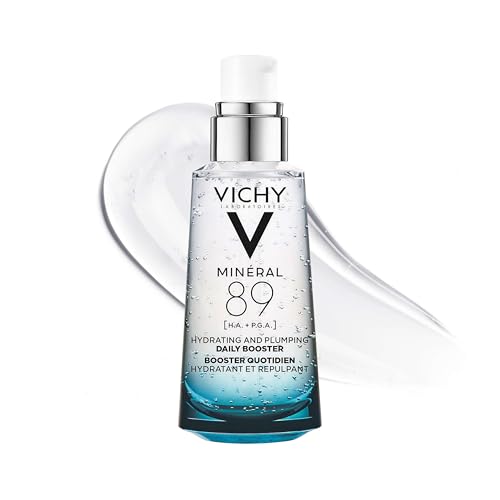
- Boost Hydration Instantly and Lastingly: Powered by Hyaluronic Acid & Polyglutamic Acid, this booster visibly improves hydration by 100%, strengthens skin’s moisture barrier
- Proven Ingredients for Glass Skin: Plumping face serum fortified with Hyaluronic Acid for immediate moisture, Polyglutamic Acid to lock hydration, and mineral-rich Vichy Volcanic
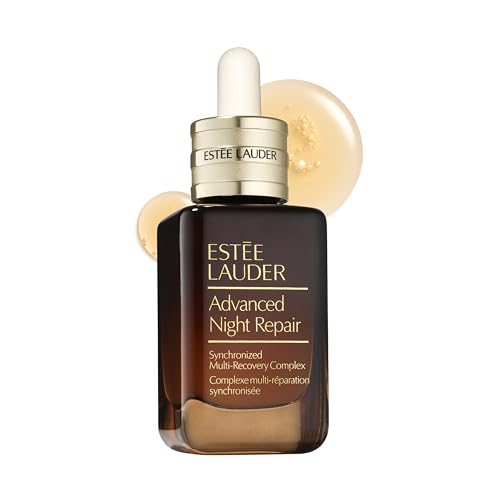
- TARGETS MULTIPLE SIGNS OF AGING: Visible Line Reduction, Firmness, Even Tone, Strengthening, Hydration, Radiance, Antioxidant Protection. Our #1 face serum visibly reduces
- EXCLUSIVE NIGHT PEPTIDE & HYALURONIC ACID: With powerful ingredients, Advanced Night Repair Serum, helps optimize skin's natural night and day rhythm of renewal and protection
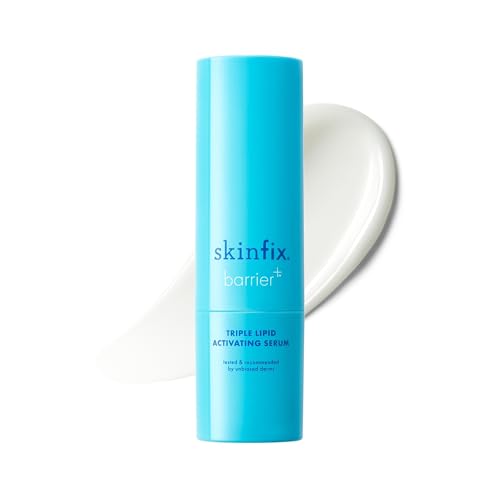
- BARRIER+ SERUM - This fast-acting serum leverages structure-boosting peptides to lock in moisture and reactivate tired-looking skin. Bouncy and fast-absorbing, it visibly plumps
- CLINICAL RESULTS - Clinically proven to visibly improve plumpness and fine lines after 1 week & firmness and elasticity after 1 month. 94% said skin felt immediately soothed, less
Comparison: Best Luxury Serums for Saltwater-Damaged Skin in 2026
| Serum | Primary Action for Divers | Texture | Best Used |
|---|---|---|---|
| Estée Lauder Advanced Night Repair | Overnight barrier repair, oxidative-stress recovery | Lightweight oil-serum | PM, after a dive day |
| Skinfix Triple Lipid Activating Serum | Replaces ceramide/cholesterol/fatty-acid ratio stripped by salt | Cushiony, fast-absorbing | AM + PM |
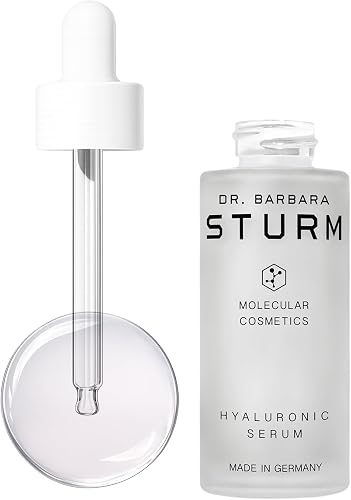
| Dr. Barbara Sturm Hyaluronic Serum | Multi-weight HA to reverse osmotic dehydration | Watery, layerable | Immediately post-rinse |
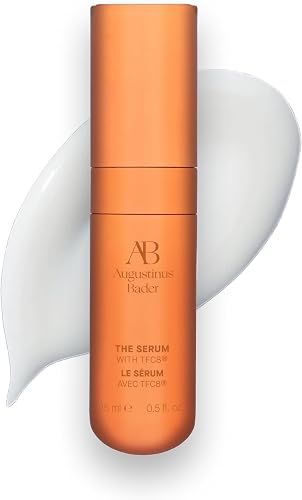
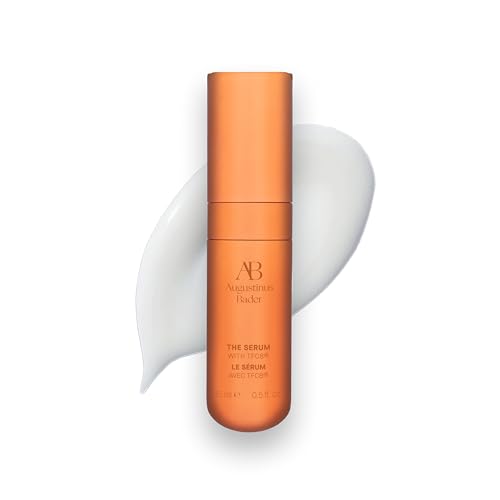
| Augustinus Bader The Serum | TFC8 cellular signaling for chronic micro-damage | Silky milk | AM under SPF |
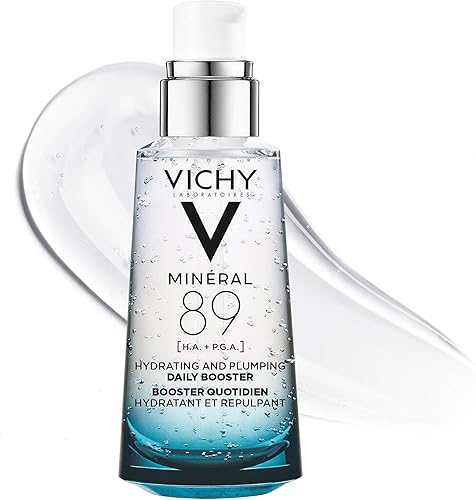
| Vichy Mineral 89 | Mineralizing thermal water + HA barrier prep | Gel-water | First step, twice daily |
The visible result is what dermatologists call "diver's face": parched cheeks, fine crepey lines around the eyes from squinting through the mask, ruddy mottling along the jaw, and a generalized loss of bounce. Reaching for a regular drugstore moisturizer rarely solves it because the damage is at the barrier and lipid layer, not just the surface.
What Makes La Mer Regenerating Serum a Logical Pick for Divers
La Mer built the original Crème de la Mer around "Miracle Broth," a fermented sea-kelp ferment created by Dr. Max Huber after his own burn injury. The Regenerating Serum extends that marine-fermented philosophy with concentrated lipids designed to remap a compromised barrier. For a diver, the relevant claim isn't anti-wrinkle marketing — it's the formula's emphasis on rebuilding the lipid envelope that salt water repeatedly strips. Sea-derived ferments also tend to be tolerated well by skin that's already inflamed from sun and salt.
That said, La Mer is genuinely expensive, fragranced, and not the only credible answer. If you want a complete diver's anti-aging shelf, the comparison below puts the most relevant luxury alternatives side by side. For an editorial breakdown specifically of the La Mer molecule, our full La Mer Regenerating Serum review goes deeper on the texture, finish, and longevity claims.
Top Picks for Divers Battling Saltwater Skin Damage
1. Estée Lauder Advanced Night Repair — Best Overnight Recovery After Dive Days
If you're choosing one product to pair with — or substitute for — la mer regenerating serum for scuba divers who only have shelf space for a single bottle, Advanced Night Repair is the most pragmatic pick. The Chronolux signaling complex, hyaluronic acid, and peptide blend are formulated specifically for repairing oxidative damage accumulated during the day. After a dive trip, your skin's circadian repair window is the body's best chance to rebuild collagen scaffolding, and ANR is engineered to slot into that window. Divers consistently report that applying it on the boat after the final rinse — even before dinner — softens the post-salt tightness by morning. Estée Lauder Advanced Night Repair Face Serum Synchronized Multi-Recovery Complex with Hyaluronic Acid & Peptides| Anti Aging & Hydrating Serum, 1.7 Fl Oz.
2. Skinfix Triple Lipid Activating Serum — Best Lipid Barrier Rebuild
Saltwater doesn't just dehydrate; it physically strips the ceramide, cholesterol, and fatty acid trio that holds the corneocyte "brick wall" together. Skinfix's Triple Lipid serum delivers all three in the 1:1:1 ratio dermatologists target for compromised barriers, plus peptides for the firmness loss that follows chronic exposure. It's fragrance-free, vegan, and non-comedogenic, which matters when you're already dealing with mask-rim breakouts on the jaw. This is the serum I'd hand to a dive instructor who is in the water 200+ days a year. View on Amazon.
3. Dr. Barbara Sturm Hyaluronic Serum — Best Deep Rehydration
Multi-weight hyaluronic acid is the most efficient way to reverse the osmotic water loss that salt produces. Sturm's award-winning formula uses both long- and short-chain HA so moisture is restored at multiple depths rather than just sitting on the surface. Layer it under a richer cream or under La Mer itself for a noticeably plumper finish within a couple of days. Divers with already-mature skin should consider stacking it with Sturm's targeted formulas — see our notes on the Sturm vs. Sunday Riley comparison for routine guidance. Hyaluronic Serum 1 Fl Oz.
4. Augustinus Bader The Serum — Best for Chronic Cumulative Damage
For divers who've been in the water for decades and are seeing the long tail of cumulative photo- and salt-aging — uneven tone, slackening along the cheek, persistent dullness — Augustinus Bader's TFC8 technology was designed around cellular signaling for stressed skin. Originally developed for burn-injury research, it's now the cult choice for high-mileage faces. It layers cleanly under SPF, which matters because reapplying sunscreen between dives is non-negotiable. Augustinus Bader The Serum.
5. Vichy Mineral 89 — Best Affordable Barrier-Prep Base
Not every layer in a diver's routine needs to be three-figure luxury. Vichy Mineral 89 uses 89% Vichy mineralizing thermal water plus hyaluronic acid and polyglutamic acid to prep and reinforce the barrier before your treatment serum. Think of it as the first step you press in straight after a freshwater rinse, before the more concentrated formulas. It's the budget anchor of the whole protocol — and the one bottle most likely to survive being knocked around a dive bag. See on Amazon.
A Realistic Diver's Anti-Aging Routine
The most common mistake divers make is treating their face like any other anti-aging client — they reach for retinol and acids when their skin is actively inflamed and barrier-compromised. On dive days, focus on rebuilding, not exfoliating. A workable order looks like this:
- Rinse: Freshwater the moment you're back on the boat, never let salt dry on the face.
- Mineral mist or essence: Vichy Mineral 89, pressed in damp.
- Hydrator: Sturm Hyaluronic, two pumps.
- Treatment serum: La Mer Regenerating, Skinfix Triple Lipid, or Bader — pick based on what your skin needs most that week.
- Occlusive cream + SPF in the morning, richer night cream in the evening.
For a deeper read on layering technique, see our guide to applying luxury anti-aging serums effectively. And if you want to understand why these formulas cost what they do, the science behind luxury anti-aging serums explainer is a useful companion piece.
Common Mistakes Divers Make With Anti-Aging Serums
Three habits sabotage even an expensive routine. First, applying serum to skin that still has salt residue — you'll trap salt crystals against the barrier and accelerate the damage you're trying to repair. Always rinse with fresh water and pat dry before any product. Second, skipping SPF reapplication between dives because "I'll be underwater." Surface intervals are where most divers cook. Third, switching to harsher actives mid-trip when skin looks tired; that's the opposite of what a stressed barrier needs. Pull back to barrier and hydration, then reintroduce retinoids after you're home and your skin is calm.
Frequently Asked Questions
Does La Mer Regenerating Serum actually work for saltwater damage?
Yes, in the sense that its marine-ferment lipid blend is designed to support a compromised barrier — the exact issue divers face. It won't reverse photo-aging on its own, and it works best when paired with rigorous SPF and a hyaluronic layer underneath. Most divers see improvement in skin tightness within 7 to 10 days of consistent use.
Is La Mer worth it compared to other luxury serums for divers?
It depends on what you're optimizing for. La Mer leads on heritage, marine fermentation, and sensory experience. For pure clinical barrier repair, Skinfix Triple Lipid is more direct. For cellular-level repair after years of damage, Augustinus Bader is more advanced. Many divers rotate, using La Mer at home and a lighter, fragrance-free formula on the boat.
Can scuba divers use retinol serums after salt exposure?
Not on active dive days. Retinol thins the stratum corneum, and saltwater plus UV will amplify any irritation. Save retinol for non-dive weeks or build it into a winter routine. If you want the firming benefit without the sensitivity, peptide serums like The Ordinary's Multi-Peptide + Copper Peptides 1% are a calmer alternative.
What's the best serum to apply between dives on a liveaboard?
Between-dive surface intervals are short, so use something that absorbs fast and won't pill under SPF. Vichy Mineral 89 followed by a thin layer of Sturm Hyaluronic is the standard pick. Save the richer La Mer or Bader application for after the final rinse of the day.
How do I treat mask-line irritation and chin breakouts from neoprene hoods?
Mask-rim friction creates micro-abrasion that lets salt and bacteria into the skin. A non-comedogenic, fragrance-free barrier serum like Skinfix is ideal because it won't aggravate the friction zones. Spot-treat any active breakouts with a low-dose niacinamide before bed. Avoid actives directly under the mask skirt.
Should perimenopausal divers use a different serum than younger divers?
Yes — declining estrogen reduces natural lipid production, which compounds the dehydrating effect of saltwater. Richer barrier-focused formulas and biotech actives matter more in this stage. We cover specifics in our piece on La Mer Regenerating Serum for perimenopausal dry skin.
How long before I see results from a La Mer regenerating serum for scuba divers protocol?
Most divers report relief from post-dive tightness within 3 to 5 days. Visible fine-line softening typically takes 4 to 6 weeks of consistent layering with SPF discipline. Texture and tone improvements from cumulative photo damage can take a full season. Patience and barrier-first thinking outperform serum-stacking every time.
Key Takeaways
- Choosing the right la mer regenerating serum for scuba divers means matching the key features to your specific needs and budget
- Read real customer reviews and check the return policy before you commit
- Also covers: la mer serum saltwater damage
- Also covers: luxury serum for divers dry skin
- Also covers: la mer for ocean swimmers
- Compare value across models — the priciest option is not always the best fit