As an Amazon Associate this site earns from qualifying purchases.
If you're searching for the Perricone MD Cold Plasma serum for keratosis pilaris on adult cheeks, you're likely dealing with stubborn pinpoint bumps, redness, and rough sandpaper texture on a face that's also showing fine lines or sun damage. The honest answer: Cold Plasma+ Advanced was formulated for crepey, aging skin rather than for KP specifically, but its peptide, DMAE, and omega blend can soften the appearance of bumpy cheek texture for some adults. This 2026 guide explains what to realistically expect, how to layer it safely, and which luxury alternatives may calm KP-prone cheeks more reliably.
Why keratosis pilaris shows up on adult cheeks in the first place
Keratosis pilaris is a benign condition caused by keratin plugging the opening of hair follicles. While most people associate it with upper arms and thighs, a meaningful subset of adults develop it across the cheeks, jawline, and even temples — a presentation dermatologists sometimes call keratosis pilaris rubra faciei. On the face, the bumps are often subtler than on the body but come with persistent pink or red diffuse flushing, dryness, and a grainy feel that catches light and makeup unevenly.
- Backed by Science: Powered by TFC8 and stabilized retinol to target fine lines, wrinkles, and uneven texture while promoting skin renewal
- Benefits: Targets fine lines, wrinkles, and uneven texture while promoting skin renewal and radiance
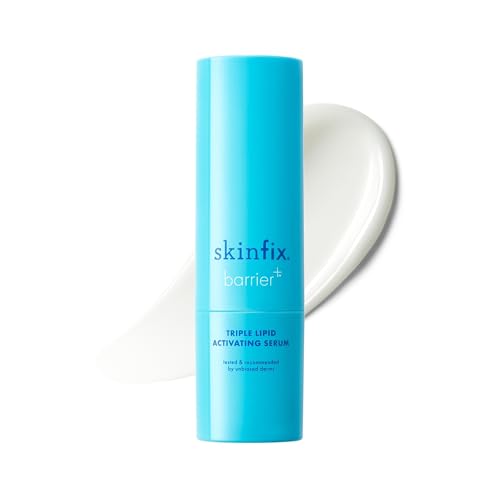
- BARRIER+ SERUM - This fast-acting serum leverages structure-boosting peptides to lock in moisture and reactivate tired-looking skin. Bouncy and fast-absorbing, it visibly plumps
- CLINICAL RESULTS - Clinically proven to visibly improve plumpness and fine lines after 1 week & firmness and elasticity after 1 month. 94% said skin felt immediately soothed, less
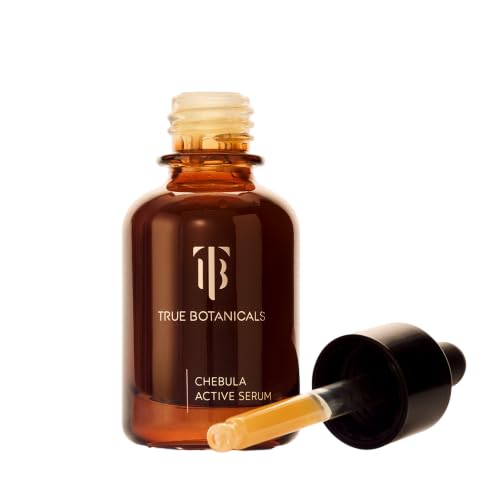
- MULTI-TASKING ANTI-AGING: Lightweight serum clinically shown to target fine lines, uneven tone, dark spots, dryness, dullness, and loss of firmness for smoother, more
- POWERED BY CHEBULA ANTIOXIDANT: Features chebula, a potent Ayurvedic antioxidant that helps optimize collagen, defend against future damage, and visibly brighten and even the look
Comparison: luxury serums for adult cheek KP in 2026
Because Cold Plasma+ isn't always the perfect fit — it's fragranced lightly, oil-forward, and expensive — it's worth comparing it against luxury serums that target the same triad of bumpy texture, barrier weakness, and visible aging. The table below summarizes how the most relevant options stack up for adult cheek KP specifically.
| Serum | Key actives | Why it suits cheek KP | Best for |
|---|---|---|---|
| Perricone MD Cold Plasma+ Advanced | Peptides, DMAE, omegas, copper | Lipid replenishment, gentle smoothing, no acids or fragrance bombs | Adults with KP plus crepiness or laxity |
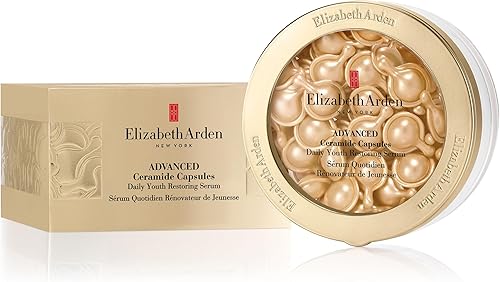
| Elizabeth Arden Advanced Ceramide Capsules | Ceramides 1/3/6, fatty acids | Single-dose hygiene, fragrance-free, rebuilds the barrier KP weakens | Reactive cheeks, winter flares |
| Skinfix Triple Lipid Activating Serum | Triple lipid blend, peptides, niacinamide | Non-comedogenic, fragrance-free, calms redness around bumps | Sensitive or rosacea-overlap KP |
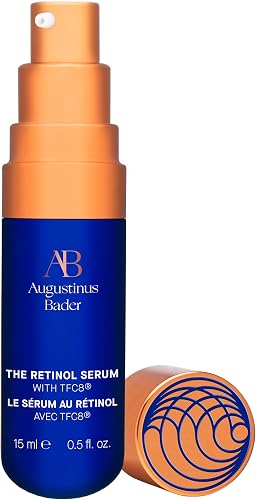
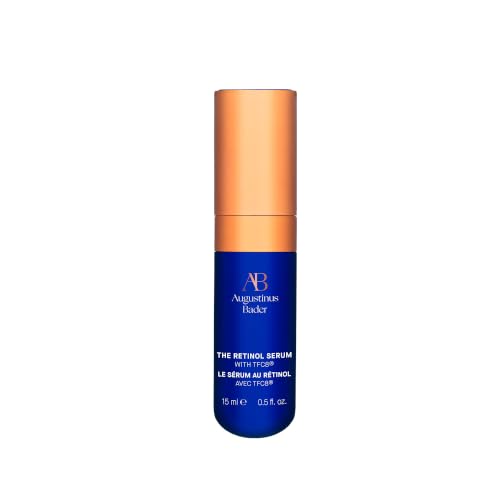
| Augustinus Bader The Retinol Serum | Encapsulated retinol, TFC8 complex | Targets the keratin plugs themselves with low irritation | Tolerant cheeks ready for a true active |
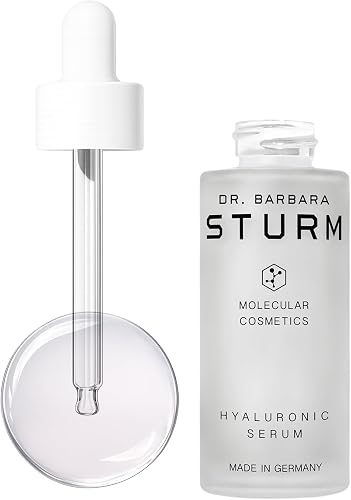
| Dr. Barbara Sturm Hyaluronic Serum | Long- and short-chain hyaluronic acid | Pure hydration tier, layers under anything, calms tightness | Dehydrated KP cheeks in any climate |
Adult-onset facial KP tends to flare with cold weather, low humidity, harsh cleansers, over-exfoliation, and hormonal shifts in the late 30s through perimenopause. The skin barrier on KP-prone cheeks is typically compromised, so the same serums that work brilliantly on smooth, resilient skin can sting, sensitize, or worsen redness here. That's why ingredient selection matters more than brand prestige when you're shopping a luxury serum for this exact concern.
Can Perricone MD Cold Plasma actually help cheek KP?
Cold Plasma+ Advanced is Dr. Perricone's flagship multi-action serum, built around a fatty-acid delivery system that carries peptides, DMAE, alpha-lipoic acid, vitamin C ester, and copper tripeptides into the skin. None of these ingredients are evidence-backed treatments for keratosis pilaris in the way that urea, lactic acid, or topical retinoids are. However, the formula does three things that matter for adult cheek KP:
- Lipid replenishment. The omega-rich base helps reinforce a leaky barrier, which can reduce the diffuse redness that surrounds KP bumps.
- Gentle smoothing via DMAE and peptides. Users often report that cheeks feel "polished" after several weeks, likely because hydrated, plumped skin masks the relief of micro-bumps.
- No high-percentage acids or fragrance. The Cold Plasma+ formula skips the AHAs and essential oils that frequently aggravate KP rubra faciei.
What it will not do is dissolve the keratin plugs at the root of KP. If your goal is to flatten the bumps themselves — not just soften their appearance — you'll still need a low-percentage lactic acid or a prescription tretinoin used carefully, often layered on alternate evenings with a barrier-supporting serum. Cold Plasma earns its place as the supporting actor: the hydrating, peptide-rich step that lets you tolerate the actives doing the heavy lifting.
How to use Cold Plasma on KP-prone adult cheeks
The mistake most adults make with the Perricone MD Cold Plasma serum for keratosis pilaris on adult cheeks is treating it like a typical lightweight essence. It's a richer, oil-feel formula, and on inflamed KP cheeks it should be applied to damp skin in a thin layer — about two pumps for the full face — then pressed in rather than rubbed. Rubbing aggravates the follicular inflammation that drives the redness.
A KP-friendly evening routine in 2026 looks roughly like this: a non-foaming cream cleanser, a hydrating toner with panthenol or beta-glucan, a thin layer of 5–10% lactic acid or 0.025% tretinoin three nights a week, ten minutes of buffer time, then Cold Plasma+ pressed over the cheeks and a ceramide-rich moisturizer to seal. On non-active nights, swap the acid for an extra layer of hydrating serum. For more on building this kind of sequence, our guide to applying luxury serums effectively walks through layering order and dwell times in detail.
Luxury serums worth pairing with (or swapping for) Cold Plasma
Elizabeth Arden Advanced Ceramide Capsules
If your cheek KP flares most in winter or after travel, the single-dose ceramide capsules are arguably the most KP-friendly luxury serum on the mass-prestige shelf. Each capsule delivers a sealed, oxidation-free shot of ceramide 1, 3, and 6 with fatty acids — exactly the lipids a KP-compromised barrier is short on. The fragrance-free formula won't sting around active bumps, and the twist-tip cap gives you precise dosing for cheeks only if you want to spot-treat. Many readers use these on alternate nights with Cold Plasma rather than choosing between them. Elizabeth Arden Advanced Ceramide Face Serum Capsules.
Skinfix Triple Lipid Activating Serum
Skinfix is the go-to clean-luxury line for dermatologists treating barrier disorders, and the Triple Lipid Activating Serum is the closest direct analog to Cold Plasma+ for KP-prone faces. It pairs ceramides, cholesterol, and fatty acids with peptides and niacinamide — so you get the smoothing and tone-evening effect alongside the barrier rebuild. Crucially, it's non-comedogenic, fragrance-free, and feels lighter than the Perricone formula, which makes it easier to wear under daytime SPF on combination cheeks. Skinfix Triple Lipid Activating Serum.
Augustinus Bader The Retinol Serum
If you've decided Cold Plasma's smoothing isn't enough and you want to actually clear the keratin plugs, Augustinus Bader's encapsulated retinol delivered in the brand's TFC8 matrix is the lowest-irritation luxury option for facial KP. The retinol works on the follicular keratinization driving the bumps, while the TFC8 complex limits the tightness and flaking that derail most retinol routines on cheeks. Introduce it twice a week, sandwiched between hydrating layers, and expect visible cheek texture change at the 8–12 week mark. Augustinus Bader The Retinol Serum.
Dr. Barbara Sturm Hyaluronic Serum
KP cheeks are almost always dehydrated cheeks, and pure hydration before any active step makes everything else more tolerable. Dr. Sturm's Hyaluronic Serum uses both long- and short-chain HA to plump the surface and pull water into deeper layers without occlusion. It plays unusually well with the Perricone formula — a few drops of Sturm on damp skin first, then Cold Plasma sealed on top — and it's a smarter splurge than most "hydration" serums because it's truly fragrance-, color-, and oil-free. Hyaluronic Serum 1 Fl Oz.
True Botanicals Chebula Active Serum
Chebula is a polyphenol-rich antioxidant that's drawn attention for calming the chronic low-grade inflammation around KP bumps without the irritation profile of vitamin C. True Botanicals' formula skips fragrance, is dermatologist-tested, and pairs well with retinol routines as the morning antioxidant step. For adults whose cheek KP is more about diffuse pink "halos" than visible bumps, this is the antioxidant pick that tends not to backfire. View on Amazon.
How to choose between these for your specific cheeks
The Perricone MD Cold Plasma serum for keratosis pilaris on adult cheeks makes the most sense if you also see crepiness, fine lines, or sagging — it gives you anti-aging payoff alongside the barrier work. If your KP is the dominant concern and aging is secondary, Skinfix or the Elizabeth Arden capsules typically deliver a better cost-per-flare-avoided. If you've already stabilized your barrier and want to address the bumps at their source, layering Augustinus Bader's retinol on top of a hydration base is the most direct route. For a deeper look at how to think about formulation tiers, see our breakdown of the key ingredients in luxury anti-aging serums and how they map to specific skin concerns.
One non-negotiable in 2026: daily broad-spectrum SPF 30+ on cheeks. KP rubra faciei flares with UV exposure, and the post-inflammatory redness can linger for months. A mineral SPF over your morning serum routine is part of the treatment, not an optional finishing step. Our overview of the features that define high-end anti-aging serums covers why morning antioxidant layering plus SPF outperforms any single "hero" serum for sensitive concerns like this.
What to avoid on KP-prone cheeks, even from luxury lines
Walk past anything with denatured alcohol high in the ingredient list, citrus essential oils, menthol, or fragrances that include linalool, limonene, or geraniol. These appear in plenty of prestige serums and reliably worsen the redness that accompanies facial KP. Likewise, mechanical exfoliation — sonic brushes, granular scrubs, washcloths used briskly — will inflame the follicles further. Chemical exfoliation works, mechanical doesn't. For more on sensitive-skin shopping, see our roundup of top premium anti-aging serums for sensitive skin, which screens specifically for these triggers.
Frequently Asked Questions
Does Perricone Cold Plasma get rid of keratosis pilaris bumps on cheeks?
It does not dissolve the keratin plugs that cause the bumps. What Cold Plasma+ Advanced can do is soften the appearance of cheek KP by reinforcing the barrier, hydrating around the bumps, and calming the diffuse redness. For the bumps themselves, you'll want a low-percentage lactic acid, urea, or topical retinoid alongside it.
Is Cold Plasma safe for rosacea-overlap KP on adult cheeks?
For most rosacea-overlap users it's tolerated, but the formula does contain trace fragrance and a noticeable warm-sensation from DMAE that can bother very reactive cheeks. Patch-test on the jawline for five nights before applying to the full cheek area. If you flare easily, Skinfix Triple Lipid or the Elizabeth Arden ceramide capsules are safer first picks.
Can I use Cold Plasma with lactic acid for keratosis pilaris on my face?
Yes, on alternating nights rather than simultaneously. Apply your lactic acid serum to clean dry skin, wait ten to fifteen minutes, then layer Cold Plasma over the top to buffer dryness. On nights you skip the acid, use Cold Plasma alone over a hydrating toner. Twice-weekly acid use is plenty for most facial KP.
What's the best moisturizer to layer over Cold Plasma on KP cheeks?
A fragrance-free ceramide cream that includes cholesterol and fatty acids. The barrier on KP cheeks needs the full lipid trio, not just ceramides. Avoid heavy occlusives like petrolatum directly over Cold Plasma's oily base — it can feel suffocating and trap heat in inflamed follicles.
How long until I see results on cheek KP from a luxury serum routine?
Diffuse redness usually softens within two to three weeks of consistent barrier-focused use. The bumps themselves take eight to twelve weeks to visibly flatten, and only with an active like retinoid or lactic acid in the rotation. Photographing your cheeks in identical lighting every two weeks is the most reliable way to track real progress.
Is there a more affordable swap for Perricone Cold Plasma on KP-prone skin?
The Skinfix Triple Lipid Activating Serum delivers a similar barrier-plus-peptide effect at a lower price point and a lighter texture. Elizabeth Arden ceramide capsules are another value-tier swap if barrier reinforcement is your main goal rather than anti-aging smoothing.
Will any luxury serum cure facial keratosis pilaris permanently?
No serum, luxury or otherwise, cures KP — it's a genetic condition that flares and quiets across decades. What a smart routine does is keep the bumps and redness suppressed below the visible threshold so your cheeks read as smooth and even. Expect maintenance, not a finish line, and adjust your routine with the seasons.
Key Takeaways
- Choosing the right perricone md cold plasma serum for keratosis pilaris on adult cheeks means matching the key features to your specific needs and budget
- Read real customer reviews and check the return policy before you commit
- Also covers: cold plasma plus for KP on face adults
- Also covers: perricone md serum for chicken skin cheeks
- Also covers: best luxury serum for adult keratosis pilaris facial
- Compare value across models — the priciest option is not always the best fit