As an Amazon Associate this site earns from qualifying purchases.
If you spend hours hunched over a kiln peephole, the heat-flush across your cheeks and forehead is real, and it lingers long after the last bisque firing. Tatcha violet-c for pottery artists works because the formula pairs 20% bi-acid Vitamin C with AHAs from seven Japanese fruits, which together fade post-thermal hyperpigmentation, brighten the rough patches the studio leaves behind, and soften the broken capillaries that bloom across the nose and zygomatic bones after a long firing day. For ceramists who want to keep working at the wheel without surrendering radiance, Violet-C is a sensible cornerstone, and we will walk through how to layer it, what to add alongside it, and which complementary luxury serums round out a pottery-friendly routine in 2026.
Why Kiln Work Triggers Persistent Facial Redness
A gas or electric kiln climbing to cone 6 puts your face within close range of radiant infrared heat for sustained stretches. Even with a peephole shield and a respirator, the skin on your forehead, nose, and cheekbones absorbs that heat repeatedly, which dilates the superficial capillaries (telangiectasia), accelerates trans-epidermal water loss, and pushes melanocytes into overdrive. Over months and years, this creates a distinctive pottery-artist complexion: ruddy across the upper face, dehydrated through the cheek apples, with patches of post-inflammatory hyperpigmentation where silica dust meets sweat and friction. The redness is not just cosmetic. It is a sign the barrier is repeatedly being challenged, and any anti-aging routine needs to repair that barrier before it can brighten.
When shopping for tatcha violet-c for pottery artists, it pays to compare specs, capacity, and real-world runtime before committing.
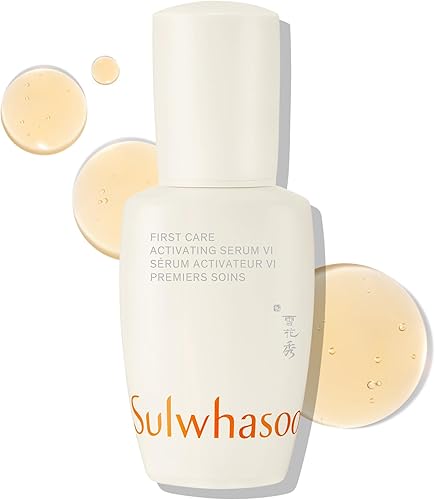
- [PREVENTATIVE ANTI-AGING SERUM] A powerhouse formula that addresses the look of existing fine lines while strengthening skin to help prevent future visible signs of aging
- [POWERED BY SIGNATURE INGREDIENTS] Formulated with 500-Hour Fermented Ginseng Extract (LYMPHANAX), a proprietary Korean Herb Extract blend, and a gentle Vitamin C derivative to
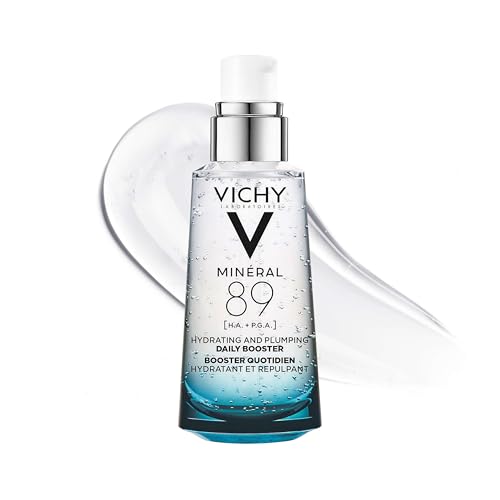
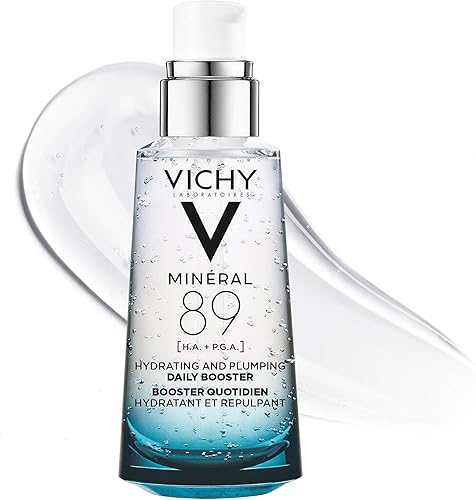
- Boost Hydration Instantly and Lastingly: Powered by Hyaluronic Acid & Polyglutamic Acid, this booster visibly improves hydration by 100%, strengthens skin’s moisture barrier
- Proven Ingredients for Glass Skin: Plumping face serum fortified with Hyaluronic Acid for immediate moisture, Polyglutamic Acid to lock hydration, and mineral-rich Vichy Volcanic
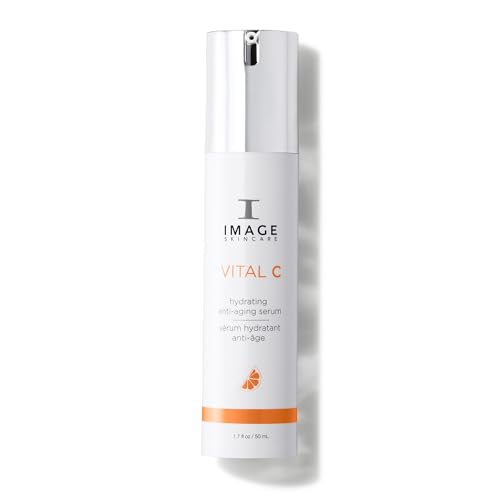
- Smoothes out fine
- Imparts noticeable brightness and glow
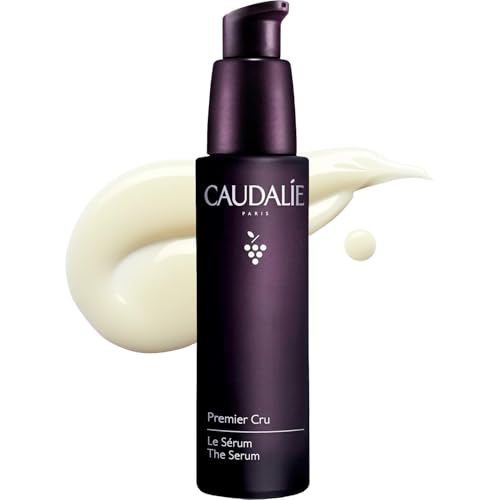
- THE ALL-IN-ONE YOUTH ACTIVATOR: Powered by Caudalie's Longevity Patent, this anti-aging serum visibly targets wrinkles, dark spots, and volume. Skin is left smoother, more
- CLINICAL RESULTS: 84% saw improved skin quality and firmness.* +324% instant hydration.** *Clinical study, % of satisfaction, 44 volunteers, 56 days. **Clinical scoring, 10
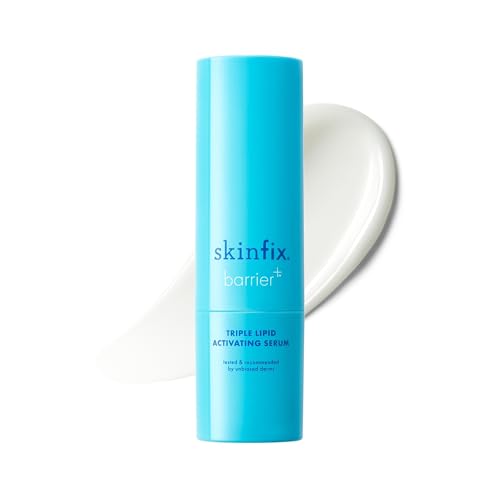
- BARRIER+ SERUM - This fast-acting serum leverages structure-boosting peptides to lock in moisture and reactivate tired-looking skin. Bouncy and fast-absorbing, it visibly plumps
- CLINICAL RESULTS - Clinically proven to visibly improve plumpness and fine lines after 1 week & firmness and elasticity after 1 month. 94% said skin felt immediately soothed, less
How Tatcha Violet-C Addresses Kiln-Stressed Skin
Tatcha’s Violet-C Brightening Serum uses a stabilized bi-acid Vitamin C complex (20% by volume) alongside a fruit-derived AHA blend. For pottery artists, three mechanisms matter. First, Vitamin C inhibits tyrosinase, which slows the melanin overproduction triggered by infrared exposure. Second, the AHA fraction sloughs the dry, dust-impacted top layer of skin that builds up after a glaze day, revealing a more even tone without aggressive scrubbing. Third, the formula’s lightweight serum texture absorbs quickly, which matters when you only have five minutes between throwing sessions to reapply skincare. Used consistently for eight to twelve weeks, ceramists typically report fading of broken-capillary diffusion across the cheeks and a measurable lift in radiance through the t-zone where firing heat hits hardest.
Comparison: Tatcha Violet-C vs. Complementary Luxury Serums for Ceramists
| Serum | Hero Ingredient | Best For (Pottery Context) | Layer Position |
|---|---|---|---|
| Tatcha Violet-C | 20% bi-acid Vitamin C + 7-fruit AHAs | Brightening kiln-induced hyperpigmentation | Morning, after toner |
| Sulwhasoo First Care Activating Serum | Aged ginseng + Vitamin C | Pre-treatment to calm flushed skin | First step, before Violet-C |
| Vichy Minéral 89 | Pure hyaluronic + polyglutamic acid | Rebuilding barrier after firing days | Pre-serum hydration layer |
| Caudalie Premier Cru | Niacinamide + hyaluronic acid | Calming diffuse redness | Evening alternative to Violet-C |
| Skinfix Triple Lipid Activating Serum | Ceramides + peptides | Sealing barrier after kiln exposure | Final serum step |
Building a Pottery-Studio Skincare Routine Around Violet-C
One serum, no matter how well-formulated, cannot do the whole job for skin that fires kilns three times a week. The most effective approach we have seen ceramists adopt pairs Tatcha Violet-C as the morning brightening anchor with a barrier-rebuilding routine in the evening. The principle: bright by day, repair by night. Below are the supporting serums worth considering, each chosen for compatibility with the heat, dust, and repetitive flushing that pottery work creates.
Sulwhasoo First Care Activating Serum
This is the pre-treatment most ceramists overlook. Applied as the first liquid step after cleansing, Sulwhasoo’s 500-hour aged ginseng extract calms the reactive flush and primes skin to accept a Vitamin C serum without stinging. The herbal complex also addresses the dryness and dullness pottery work amplifies. We recommend it as the layer that goes underneath Violet-C in the morning. View on Amazon.
Vichy Minéral 89 Booster
On heavy firing days when your face has been exposed to radiant heat for hours, the barrier is depleted before you even get to actives. Vichy Minéral 89 is a 15% mineralizing water plus pure hyaluronic acid serum that drops the surface temperature feel of stressed skin and restores plumpness in minutes. Its polyglutamic acid component holds moisture longer than hyaluronic alone, which matters when you go from a 2200°F kiln back into air-conditioned studio storage. Use it under Violet-C on flushed mornings, or solo on rest days. View on Amazon.
Caudalie Premier Cru Anti-Aging Serum
Some ceramists find daily Vitamin C plus AHAs too stimulating during peak production weeks. Caudalie’s Premier Cru is the gentler alternative—a niacinamide-and-hyaluronic luxury serum from Bordeaux that calms diffuse redness, supports the capillary wall, and addresses fine lines without acid load. Many pottery artists alternate Premier Cru with Violet-C, using Caudalie on evenings after long glaze-day exposure and Tatcha on lower-intensity studio days. View on Amazon.
Skinfix Triple Lipid Activating Serum
The final serum step on any kiln day should rebuild lipids. Skinfix’s Triple Lipid serum delivers ceramides, fatty acids, and cholesterol in the 1:1:1 ratio dermatologists recommend for compromised barriers, plus peptides for firming. It is fragrance-free, which matters because kiln exhaust already loads your nose with combustion byproducts and added fragrance can compound headaches. Apply after Violet-C and before moisturizer. View on Amazon.
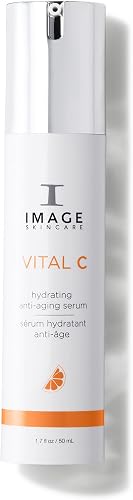
IMAGE Skincare VITAL C Hydrating Serum
For ceramists who want a more affordable Vitamin C option to rotate with Tatcha—extending the life of the more expensive bottle—IMAGE VITAL C delivers a tetrahexyldecyl ascorbate form that is gentler than the ascorbic acid in Violet-C. The hyaluronic carrier soothes the cheek apples where kiln heat lingers, and the lower-intensity Vitamin C is forgiving on weeks when your barrier has taken a beating. Many studios keep this on hand as the "between fire" Vitamin C. View on Amazon.
Application Protocol for Pottery Artists
The sequence we recommend for ceramists using tatcha violet-c for pottery artists as the centerpiece looks like this: morning, gentle cream cleanser to remove overnight oil and any lingering clay dust from the pillowcase; Sulwhasoo or Vichy Minéral 89 as a hydrating pre-step; four to five drops of Tatcha Violet-C pressed (not rubbed) into the cheeks, nose bridge, and forehead; Skinfix or another ceramide serum as the seal; broad-spectrum SPF 50 with a tinted mineral filter to reflect both UV and visible light from the kiln. Reapply SPF before any firing, and consider a face shield rated for radiant heat if you are working at cone 10 or higher. Evening should focus on barrier work—skip Vitamin C, lean on Caudalie or Skinfix, and apply a richer occlusive over the top.
What to Avoid During Peak Studio Seasons
Two mistakes are common among pottery artists building a luxury skincare routine. The first is over-exfoliating. Violet-C already contains AHAs, so adding a separate glycolic toner or weekly enzyme mask compounds the acid load on skin that is already heat-stressed, often triggering the very redness you are trying to fade. The second is fragrance stacking. Ceramic studios already expose you to silica, kiln combustion gases, and glaze chemicals; layering heavily perfumed serums on top can sensitize skin and provoke contact dermatitis along the jawline. Stick to fragrance-free or lightly botanical formulas. For deeper guidance on building a barrier-first routine, see our best hydrating luxury anti-aging serums roundup.
When to Add Retinol, and When to Hold Back
Ceramists in their late thirties and beyond often ask whether to add a retinoid to a Vitamin-C-anchored routine. The answer depends on your firing schedule. During heavy production months—holiday markets, gallery shows, commission deadlines—the cumulative heat and dust exposure is enough to compromise the barrier, and retinol can tip it into chronic irritation. In quieter studio months, a low-percentage encapsulated retinol used two nights a week pairs well with morning Violet-C. Always separate them by twelve hours, and always over-hydrate on retinol nights with hyaluronic and ceramide layers. For Vitamin-C-specific guidance, our guide to Vitamin C serums for glowing skin covers the formulation tradeoffs in detail.
Frequently Asked Questions
Does Tatcha Violet-C sting on skin already flushed from kiln work?
At 20% Vitamin C with AHAs, Violet-C can produce a brief tingle on freshly flushed skin. Wait twenty to thirty minutes after leaving the kiln area before applying, cleanse with cool water, and apply a hydrating pre-step like Vichy Minéral 89 or Sulwhasoo First Care Activating Serum first. If tingling persists past two minutes, skip the active that day and use only barrier serums.
How long until Violet-C fades visible kiln redness on the cheeks?
For diffuse erythema and post-inflammatory hyperpigmentation from infrared exposure, expect first visible changes around week four, with more meaningful fading at the eight-to-twelve-week mark. Broken capillaries (true telangiectasia) will not resolve with topical serums alone—those usually require IPL or vascular laser treatment—but Violet-C can reduce the surrounding diffuse redness that makes capillaries look more prominent.
Can pottery artists use Violet-C alongside a clay-based barrier mask?
Yes, but separate them by at least a full evening. Apply Violet-C in the morning and a kaolin or bentonite mask at night, not in the same routine. Clay masks can be drying, and stacking them with Vitamin C the same day strips lipids your barrier needs. Once a week is plenty for a clay mask if you are already using Violet-C daily.
Is Violet-C safe to apply before going back into the studio for another firing?
Yes, provided you apply broad-spectrum mineral SPF 50 on top. Vitamin C is actually photoprotective and pairs well with sunscreen, which extends its antioxidant benefit against the free radicals kiln heat generates. Avoid layering Vitamin C with benzoyl peroxide or strong physical exfoliants on a firing day.
What if I have rosacea on top of kiln-induced redness?
Rosacea-prone ceramists should patch-test Violet-C on the jawline for three days before full-face application. Many find the AHA component too stimulating. A gentler alternative is to use Caudalie Premier Cru or another niacinamide-anchored serum in the morning, reserving Vitamin C for two or three days a week at most. Our premium serums for sensitive skin guide covers compatible options in depth.
Does Violet-C help with silica dust pigmentation along the jawline?
The pigmentation that develops where dust meets sweat is often post-inflammatory and responds well to Vitamin C plus AHA combinations. Violet-C addresses both mechanisms. Combine it with a thorough double cleanse at the end of each studio session—oil cleanser first to lift dust, then a gentle gel—to prevent new pigmentation from setting in.
Can I use Violet-C around the orbital bone where my respirator strap sits?
Yes, but apply a thicker ceramide moisturizer over Violet-C in the strap zones before donning your respirator. The pressure plus active serum can occasionally irritate where the silicone mask edge meets skin. A layer of Skinfix Triple Lipid Activating Serum between Violet-C and your moisturizer creates a comfortable buffer.
Final Thoughts for the Studio
Pottery is a craft that puts your hands, lungs, and face through more environmental stress than most people realize. The good news is that the same Vitamin C and AHA chemistry that helps office workers fade sun damage works just as well—often better—for the heat-and-pigmentation pattern ceramists develop. Tatcha Violet-C earns its place in this routine because the formula is concentrated enough to deliver measurable brightening, gentle enough to use daily, and elegant enough in texture to layer without pilling under SPF. Pair it with a barrier-first evening routine, respect your skin’s feedback on firing days, and you can keep working at the kiln for decades without trading away your complexion. For more on building a complete luxury regimen, our key ingredients in luxury anti-aging serums reference is a good next read, and the affiliate disclosure page explains how our product recommendations are made.
Key Takeaways
- Choosing the right tatcha violet-c for pottery artists means matching the key features to your specific needs and budget
- Read real customer reviews and check the return policy before you commit
- Also covers: tatcha violet-c review kiln workers
- Also covers: luxury serum for ceramicists
- Also covers: tatcha for heat exposure redness
- Compare value across models — the priciest option is not always the best fit